Chiropractor · Educator · Speaker
I work with pain that has not resolved and with the practitioners who treat it
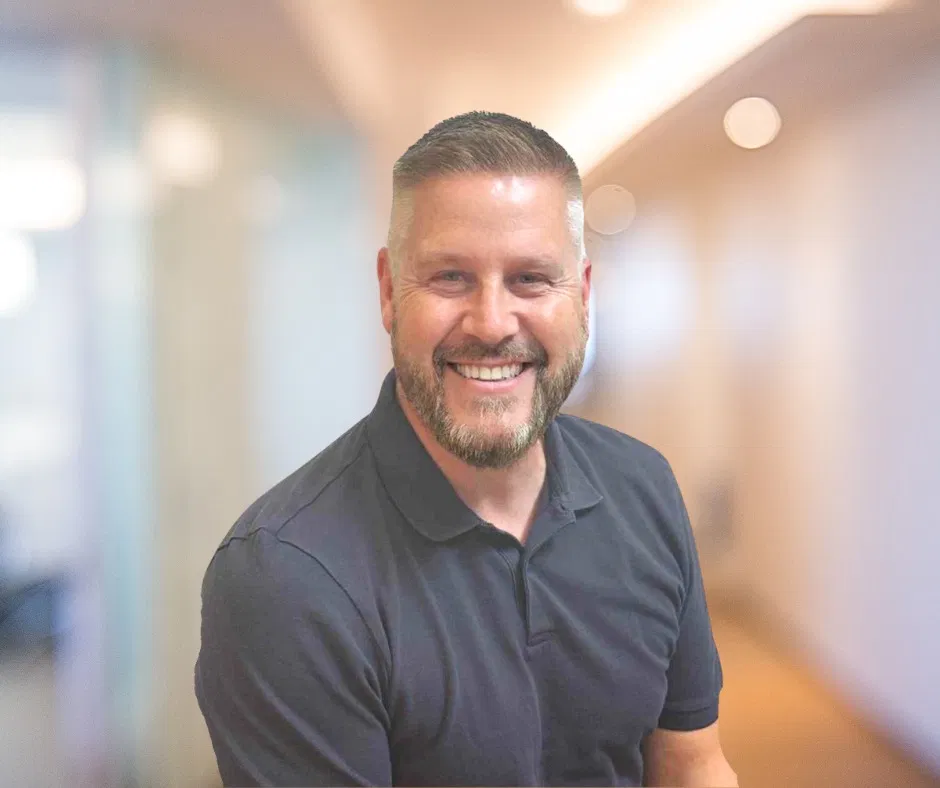
I am Steve Davison, a chiropractor in Great Totham, near Maldon in Essex. I came to this work through immunology and molecular genetics, and then through two years of my own back pain that I misread completely. Most of the people I see have already tried several other things. What I offer them first is an explanation.
25 yrs
in practice, qualified 2001
MPhil
molecular genetics, Queens’ College, Cambridge
GCC
registered, number 01149
A chiropractor with a research background
Steve Davison is a chiropractor registered with the General Chiropractic Council, practising at the Elaris Chiropractic & Wellbeing Centre in Great Totham, near Maldon in Essex. He read immunology at King’s College London and took an MPhil in molecular genetics at Queens’ College, Cambridge, before qualifying as a chiropractor at the University of Surrey in 2001. He created the Elaris Method, his own clinical framework for working with persistent pain. He also teaches: for fifteen years he and his wife Jo have worked with chiropractors on the business of running a practice.
If your pain has not resolved
You have probably been somewhere else first. Perhaps several places. Perhaps the scan showed nothing, or it showed something that did not explain what you feel. I can tell you how I think about pain that persists, and what an assessment with me actually involves.
If you run a practice
We built a practice, and for the first few years we had no idea what we were doing with the business of it. We worked it out. Since 2011 we have spent a large part of our time teaching other chiropractors what we learned.
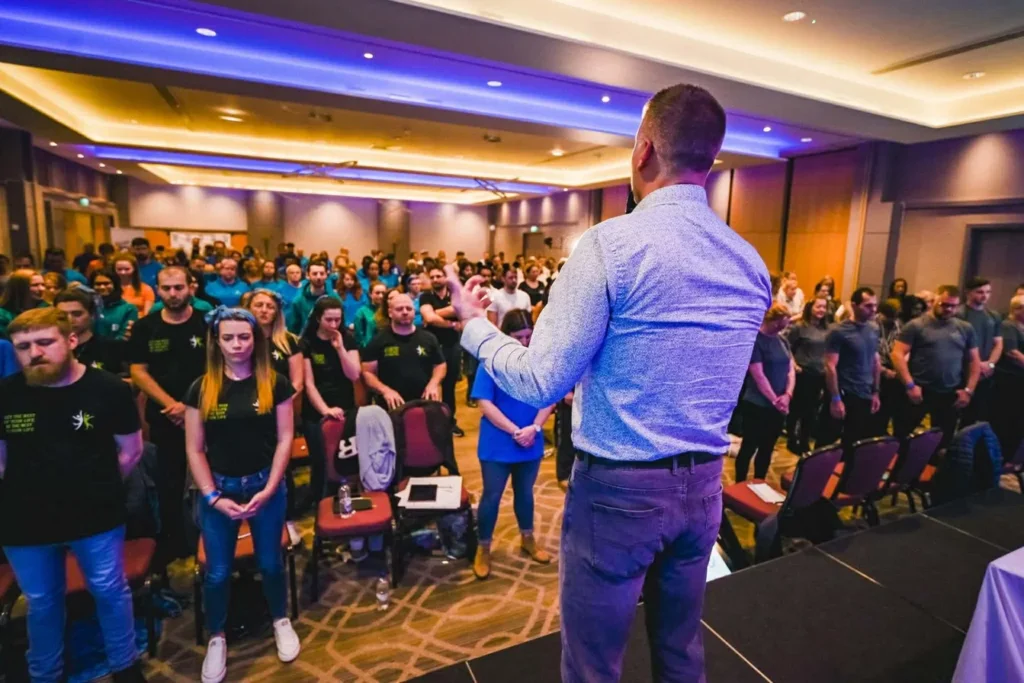
Speaking and teaching
Practice owners bring me in to talk to their teams
For eleven years I have been invited into other people’s clinics to speak to their teams and to work with the owners directly, in the UK and abroad. I also speak at conferences on persistent pain and on the business of practice.
The Elaris Method
The framework I built, and what it is for
The Elaris Method is my own approach to assessment. It brings together manual medicine, Traditional Chinese Medicine and psychoneurophysiology, and it is a way of looking at where a protective pattern is being held rather than a treatment for anything in particular. It is not an established modality and I do not present it as one.
Research
A peer-reviewed paper in the European Journal of Immunology, and a pilot study presented in 2003.
Get in touch
Tell me what brought you here and I will tell you whether I am the right person to see.